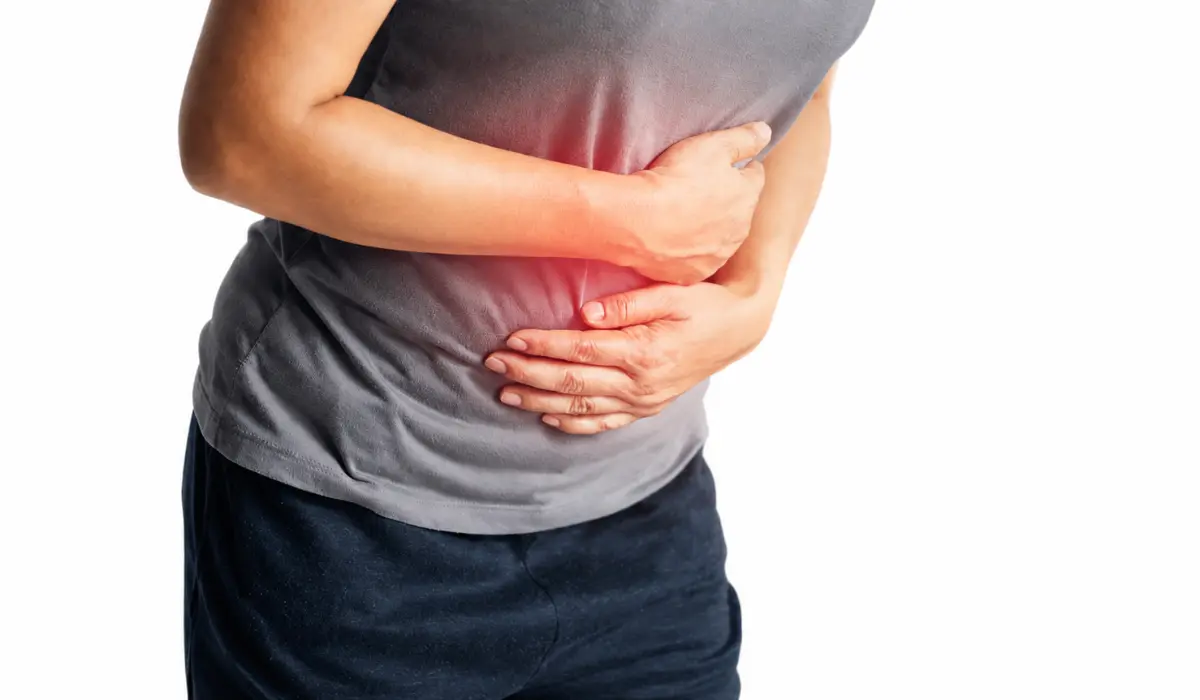
Gas, bloating, burping, and stomach pressure are common digestive complaints. They can happen after eating too fast, swallowing air, drinking carbonated beverages, eating gas-producing foods, or having digestive issues such as constipation or food intolerance. For many people, symptoms are mild and temporary. For others, trapped gas can feel uncomfortable, painful, and embarrassing.
Anti gas medication is used to relieve symptoms such as bloating, fullness, pressure, flatulence, and gas pain. The right option depends on what is causing the gas. Some products help break up gas bubbles, while others help the body digest certain foods better. Lifestyle changes also matter because medication can relieve symptoms, but it does not always prevent gas from forming.
What Is Anti Gas Medication?
Anti gas medication refers to over-the-counter products that help reduce gas-related discomfort. The most common type is simethicone, also called simeticone in some countries. It is used for flatulence, trapped wind, bloating, and pressure from excess gas in the stomach or intestines.
Simethicone works by helping small gas bubbles combine into larger bubbles, making gas easier to pass. It does not stop gas from being produced, but it can reduce the uncomfortable feeling of trapped gas. It is available in tablets, capsules, chewables, liquid drops, and softgels.
Common Causes of Gas and Bloating
Gas can come from swallowed air or from the natural breakdown of food in the digestive tract. Eating too quickly, chewing gum, smoking, drinking through a straw, and carbonated drinks can increase swallowed air.
Food is another common cause. Beans, lentils, cabbage, broccoli, onions, dairy products, artificial sweeteners, and high-fiber foods can trigger gas in some people. Fiber is healthy, but increasing it too quickly can lead to bloating and flatulence.
Nausea and bloating are different symptoms, but they can happen together. Nausea is the uneasy feeling that you may vomit, while bloating is a tight, full, or swollen feeling in the stomach. Gas, indigestion, food intolerance, constipation, or heavy meals can sometimes trigger both symptoms at the same time.
Constipation can also make gas worse because stool moves slowly through the intestines. When gas gets trapped behind slow-moving stool, bloating and abdominal pressure can become more noticeable.
Best Anti Gas Medication Options
Simethicone for Trapped Gas
Simethicone is one of the most widely used anti gas medicines. It is commonly taken after meals and at bedtime, depending on the product label. It can help with fullness, pressure, bloating, and gas discomfort.
This medication is usually well tolerated when taken as directed. However, results can vary. Some people feel quick relief, while others need to address food triggers, constipation, or underlying digestive issues for better results.
Lactase for Dairy-Related Gas
If gas happens after milk, cheese, ice cream, or other dairy foods, lactose intolerance could be the reason. In that case, lactase enzyme products can help the body digest lactose, the natural sugar in dairy.
Lactase is not a general gas medicine. It works best when dairy is the trigger. It should usually be taken before eating or drinking dairy, according to the product instructions.
Alpha-Galactosidase for Beans and Vegetables
Some people get gas after eating beans, lentils, cabbage, broccoli, onions, or whole grains. Alpha-galactosidase is an enzyme that helps break down certain carbohydrates in these foods before they create gas.
This type of anti gas support works best when taken before the meal. It is useful for people who want to keep healthy high-fiber foods in their diet but reduce bloating and flatulence.
Activated Charcoal
Activated charcoal is sometimes used for gas, but it is not the best choice for everyone. It can interfere with how the body absorbs some medicines, and it can turn stool black. Research has not clearly shown strong benefits for gas relief.
People taking prescription medicines should ask a healthcare professional before using activated charcoal.
Anti Gas Medication vs Antacids
Anti gas medication and antacids are not the same. Gas relief medicines mainly target bloating, trapped gas, flatulence, and abdominal pressure. Antacids, on the other hand, are used for acid-related symptoms such as heartburn, sour taste, and indigestion. Antacids target stomach acid, heartburn, and indigestion.
Some products combine gas relief with acid relief, but the best choice depends on your symptoms. If the main problem is burning in the chest, sour taste, or acid reflux, an antacid or acid reducer can be more suitable. If the main problem is bloating and pressure after meals, simethicone or digestive enzymes can be more relevant.
How to Use Anti Gas Medication Safely?
Always read the label before taking any anti gas medication. Follow the dose instructions and do not take more than recommended. Check whether the product contains other ingredients, especially if it is a multi-symptom stomach medicine.
People who are pregnant, breastfeeding, taking prescription medicines, or managing chronic digestive problems should ask a doctor or pharmacist before using new medication. This is especially important if gas comes with severe pain, vomiting, fever, diarrhea, constipation, or unexplained weight loss.
Natural Ways to Reduce Gas
Medication can help, but daily habits often make a big difference. Eat slowly, chew food well, and avoid drinking through a straw. Limit carbonated drinks if they make bloating worse.
Try keeping a food diary to find triggers. If beans or high-fiber foods cause gas, reduce the amount for a short time and slowly add them back. Staying hydrated and walking after meals can also support digestion.
If constipation is part of the problem, treating constipation can reduce bloating and gas pressure. Soluble fiber is often better tolerated than sudden increases in insoluble fiber for people who bloat easily.
When to See a Doctor?
Gas is usually not serious, but some symptoms need medical care. See a healthcare professional if bloating or gas pain is severe, frequent, or getting worse. Also seek help if symptoms come with blood in the stool, ongoing vomiting, fever, chest pain, unexplained weight loss, long-lasting diarrhea, or constipation that does not improve.
Gas that keeps returning despite diet changes and anti gas medication can be linked to food intolerance, irritable bowel syndrome, constipation, acid reflux, or other digestive conditions.
Final Thoughts
Anti gas medication can help relieve bloating, trapped gas, flatulence, and stomach pressure. Simethicone is a common option for gas discomfort, while lactase and alpha-galactosidase can help when specific foods trigger symptoms.
For the best results, match the medicine to the cause of your gas. Combine safe medication use with slower eating, fewer carbonated drinks, trigger tracking, hydration, and regular movement. If gas pain is severe, persistent, or linked with warning symptoms, medical advice is the safest next step.
FAQs
Simethicone is one of the most common anti gas medications for bloating, pressure, and trapped gas. Digestive enzymes can help when specific foods trigger gas.
Some people feel relief soon after taking simethicone, while others need more time. Results depend on the cause of gas and the product used.
Occasional use is common, but daily gas medicine should be discussed with a doctor if symptoms continue or keep returning.
Simethicone is generally considered safe when used as directed. Always follow the product label and ask a pharmacist if taking other medicines.
Beans, lentils, broccoli, cabbage, onions, dairy, carbonated drinks, and some artificial sweeteners can cause gas in sensitive people.
Seek medical care if gas pain is severe, persistent, or comes with vomiting, fever, blood in stool, chest pain, weight loss, or major bowel changes.
Reference
- Cleveland Clinic – Simethicone Capsules and Tablets
https://my.clevelandclinic.org/health/drugs/19547-simethicone-capsules-or-tablets - MedlinePlus – Abdominal Bloating
https://medlineplus.gov/ency/article/003123.htm